

Views: 0 Author: Site Editor Publish Time: 2025-09-23 Origin: Site


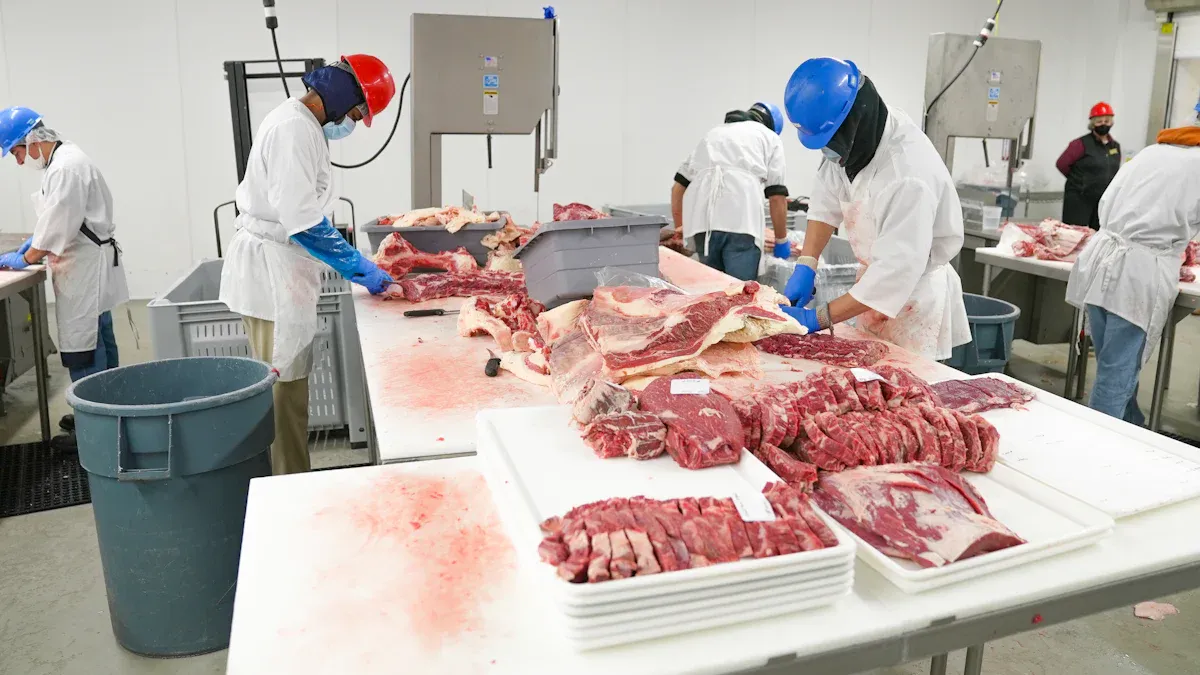
Choosing the right meat processing machine in 2025 depends on understanding your business needs. You must know your production volume and product types before you select a meat processing machine. The global meat processing machine market will reach USD 11,814.9 million in 2025. The market continues to grow at a rate of 4.9% each year. New automation and smart packaging technologies make the modern meat processing machine more efficient. Regulatory changes require better traceability and food safety, so you must invest in a meat processing machine that supports documentation and real-time monitoring. Focus on durability, versatility, safety, and efficiency when you select a meat processing machine. Take a step-by-step approach to find the best meat processing machine for your business.
Understanding your production volume sets the foundation for choosing the right meat processing equipment. You must evaluate how much meat you process daily, weekly, or monthly. This step helps you determine the scale of equipment needed for your commercial food processing operation. Consider these factors:
Processing scale and needs shape your equipment choices.
Equipment requirements change with your product range.
Budgeting should include all costs, not just the purchase price.
Quality and durability affect long-term efficiency and safety.
A small butcher shop may need compact meat processing machines, while a large facility might require automated cutting lines. You should match your processing capacity to your business needs. If you expect growth, select equipment that can handle increased demand.
Tip: Track your average output over several months. This data helps you avoid under- or over-investing in commercial food processing equipment.
The type of meat processed in your business influences your equipment selection. You must identify your processing needs based on the products you offer. Different stages of meat processing require specialized machines:
Primary processing converts livestock into carcasses. You need equipment designed for safety and efficiency.
Secondary processing transforms carcasses into retail-ready portions. The right machine can boost profitability.
Value-added processing creates convenience foods. Machines must handle consumer-ready options.
Meat cutting machines come in many forms. Some are optimized for specific meat types, which affects efficiency and precision. For example, a compact slicer suits a small shop, while automated lines fit larger commercial food processing operations. You should align your meat processing equipment with your business needs and the type of meat processed.
Regulatory compliance plays a major role in selecting meat processing equipment. You must meet public health requirements, especially if you operate in markets like the US or EU. These regulations cover sanitation, traceability, and production controls.
Compliance with sanitary measures is essential.
Only approved establishments can export edible meat products.
Operators must maintain control programs for microbiological safety.
Traceability programs ensure products meet standards and remain segregated.
You should choose commercial food processing equipment that supports documentation and real-time monitoring. This approach helps you maintain compliance and protects your business from costly penalties. Always review local and international regulations before investing in new meat processing machines.
Note: Regulatory requirements change often. Stay updated to keep your processing needs aligned with current standards.
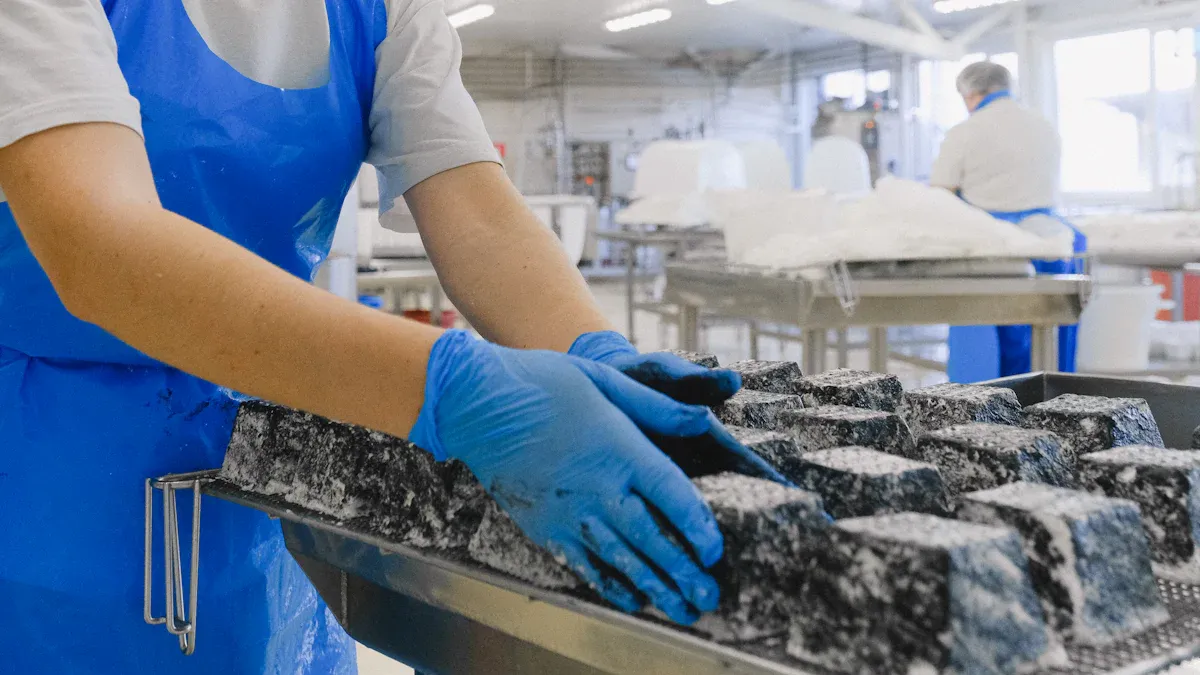
When you choose meat processing equipment, durability should be your top priority. Machines face heavy use every day, so you need options that last. Look for high-quality meat processing equipment made from strong materials. Stainless steel and heavy-duty alloys resist corrosion and wear. These materials help your machines handle tough jobs without breaking down.
Stainless steel construction stands up to moisture and cleaning chemicals.
Heavy-duty frames support long-term use and reduce the risk of damage.
Welded joints and reinforced parts add strength and stability.
Quality matters. If you invest in the best meat processing equipment, you lower your repair costs and avoid downtime. Reliable machines keep your business running smoothly and protect your productivity. You should always check the build quality before you buy. Inspect the welds, hinges, and moving parts. Ask for details about the materials used in each model.
Tip: Choose meat processing tools with a proven track record for durability. Brands that offer warranties and service plans show confidence in their products.
Versatility gives your business an edge. The best meat processing equipment can handle many tasks, from grinding and slicing to mixing and tenderizing. You need machines that adapt to different products and workflows. Versatile meat processing tools help you meet changing market demands and expand your product range.
Multi-function machines save space and reduce clutter in your workspace.
Adaptable equipment lets you switch between beef, pork, poultry, and specialty meats.
Modular designs allow you to add new features as your business grows.
When you use versatile meat processing equipment, you boost efficiency and productivity. You can streamline your workflow and avoid bottlenecks. Automated systems work faster and reduce your need for manual labor. This approach lowers your operational costs and increases your return on investment.
Note: If you want to see examples of versatile machines, visit Stabake Food Machine's product catalog. You will find equipment that fits many business needs.
Safety features protect your workers and your products. Modern meat processing equipment must meet strict industry standards. You need machines that help you identify and control hazards. The best meat processing equipment includes built-in safety features for every step of the process.
Machines should have guards and emergency stop buttons to prevent injuries.
Temperature controls and chemical treatments help you manage critical control points.
Physical barriers and sensors keep operators safe during operation.
HACCP requires you to assess risks like bacteria, chemicals, and physical hazards. You must manage these risks at every stage. Safety features such as automatic shut-off, interlocks, and real-time monitoring help you comply with food safety standards.
Quality safety features also protect your reputation. If you follow safety guidelines, you avoid recalls and penalties. You should always review the safety features of any meat processing tools before you buy. Ask for documentation and check if the equipment meets local and international regulations.
Energy efficiency plays a major role in your operational costs and environmental impact. When you choose energy-efficient meat processing machines, you lower your energy bills and help protect the environment. Many modern machines, such as grinders and mixers, now feature smart energy-saving capabilities. These machines adjust their operation speed based on the load, which reduces energy consumption and saves money.
Energy costs rank as the fourth highest expense in meat processing plants. You can achieve significant savings by investing in energy-efficient equipment.
Energy-efficient machinery cuts down on energy use and lessens greenhouse gas emissions. This helps your business meet sustainability goals.
Machines with variable speed controls use only the power needed for each task. You avoid wasting energy during low-demand periods.
If you want to see examples of energy-efficient machines, you can browse the Stabake Food Machine product catalog. Many models offer advanced features that help you optimize energy use. By choosing the right equipment, you improve your bottom line and support a greener future.
Tip: Track your monthly energy usage before and after upgrading your equipment. You will notice the difference in your utility bills.
Cleanliness stands at the heart of food safety in meat processing. You must select machines designed for easy cleaning to maintain high hygiene standards. The design and construction of your equipment directly affect how well you can clean and sanitize it.
Equipment should be self-drainable to eliminate all residues after processing.
Surfaces must be smooth, without crevices, sharp corners, or shadow zones. These features prevent the buildup of bacteria and make cleaning faster.
Stainless steel is the preferred material for food equipment. It resists corrosion and supports thorough cleaning.
Machines must meet specific finish and smoothness requirements. This ensures you can clean every part effectively.
When you choose equipment with these features, you reduce the risk of contamination and improve food safety. Many products in the Stabake Food Machine catalog use stainless steel and feature smooth surfaces for easy cleaning. You save time and labor while meeting regulatory standards.
Note: Regular cleaning not only protects your customers but also extends the life of your equipment.
Maintenance affects the total cost of ownership for your meat processing machines. You must consider how often your equipment needs service and how easy it is to repair. Unplanned repairs cost much more than preventive maintenance. You can avoid expensive downtime by choosing reliable machines and following a regular maintenance schedule.
Modular designs and local spare parts help you reduce repair costs. You can replace only the damaged part instead of the whole machine.
Stainless steel systems resist corrosion, which means you avoid costly replacements.
Using original equipment manufacturer (OEM) parts extends the operational life of your machines.
Maintenance costs include parts and service fees. You should factor these into your budget when selecting equipment.
Reliable machinery and preventive maintenance reduce downtime. This keeps your production running smoothly.
When you invest in machines that are easy to maintain, you lower your long-term expenses. You also improve safety and efficiency in your facility. Many models from Stabake Food Machine offer modular designs and easy access for maintenance. You can keep your business productive and avoid unexpected costs.
Tip: Create a maintenance log for each machine. Track service dates and repairs to spot patterns and prevent future breakdowns.
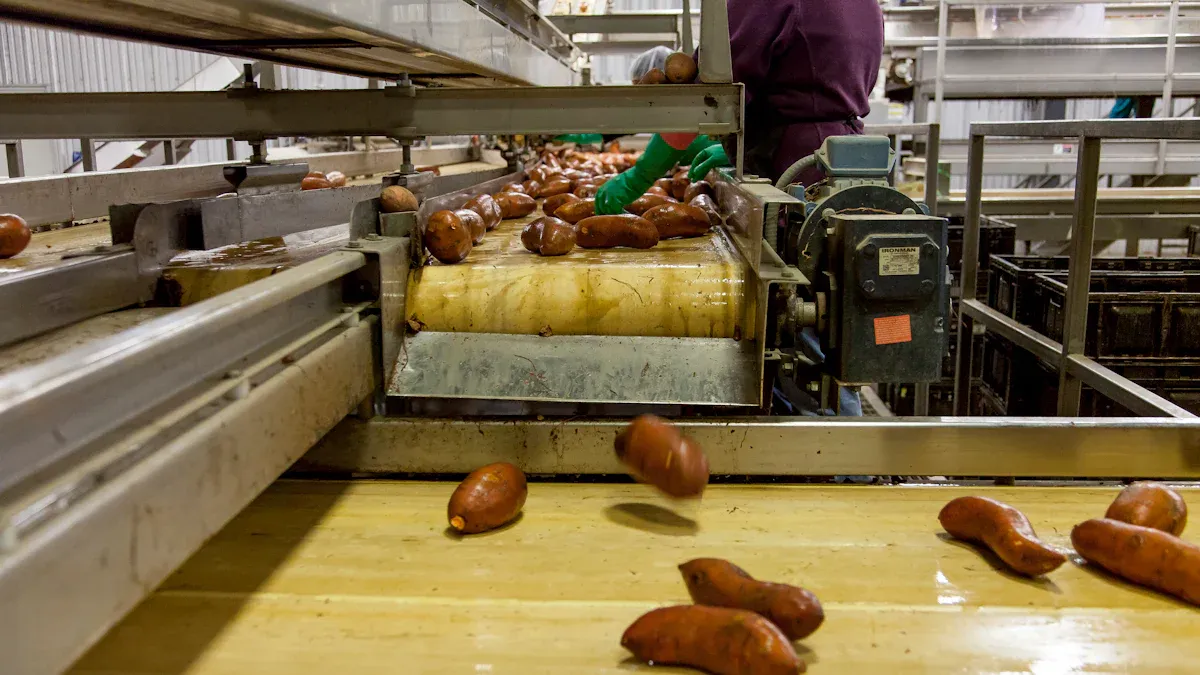
You will find grinders at the heart of many meat cutting machine operations. These machines break down whole cuts into ground meat, which is essential for burgers, sausages, and meatballs. Commercial meat grinders often include attachments for sausage making, giving you flexibility to expand your menu. You can process game meats or specialty cuts, offering unique products to your customers. Some businesses use grinders to prepare pet food, meeting the needs of pet owners who want high-quality options.
Grinders help you control the fat-to-meat ratio and grind size. You can create custom blends for your recipes. Grinding meat on-site improves hygiene and reduces contamination risks. You also save money by processing whole cuts instead of buying pre-ground meat. Many grinders, such as those in the Stabake Food Machine catalog, offer consistent results and easy cleaning. You can even use these machines to process vegetables, cheese, or breadcrumbs, increasing your versatility.
Tip: Choose a grinder that matches your daily cutting volume and product range. This ensures you get the best results for your business.
Slicers play a key role in meat cutting machine setups. You use slicers to create uniform slices for deli meats, steaks, and specialty products. The right slicer improves presentation and portion control, which helps you manage costs and maintain quality. There are two main types of meat slicers: manual and automatic.
Feature | Manual Slicers | Automatic Slicers |
|---|---|---|
Efficiency | Requires operator effort for slicing | Handles slicing continuously with motor |
Speed | Slower, dependent on operator | Faster, ideal for high-volume tasks |
Precision | Good for smaller batches | Maintains consistent thickness |
Maintenance | Simpler, but requires regular upkeep | More complex, but essential for safety |
Blade Size | Typically 9-10 inches | Ranges from 10-14 inches |
Product Tray Size | Fits items up to 12 inches in diameter | Accommodates larger items with larger trays |
Suitability | Versatile for various foods | Best for dedicated slicing tasks |
Manual slicers suit small shops or restaurants with lower cutting volumes. Automatic slicers work best for high-volume operations, such as large delis or meat processing plants. Higher horsepower and larger blades allow you to handle tougher cuts and bigger products. You can find slicers with advanced safety features and easy cleaning options in the Stabake Food Machine catalog.
Note: Select a slicer based on your cutting needs and the types of meat you process. This helps you maintain efficiency and safety.
Tenderizers improve the texture and quality of meat, making tough cuts more enjoyable. You use tenderizers to break down muscle fibers, which allows marinades and seasonings to penetrate deeper. This process creates flavorful and tender products. Mechanical tenderization uses sharp blades to cut through tough fibers, enhancing both texture and taste.
Professional tenderizers help you process large quantities quickly, ensuring consistent results. These machines transform less popular cuts into tender options, increasing your product versatility. You can offer a wider range of dishes and reduce waste. Many tenderizers, like those in the Stabake Food Machine catalog, feature easy cleaning and reliable performance.
Tenderizers also support operational efficiency. You spend less time preparing meat and maintain high quality standards. This reliability keeps your customers satisfied and helps you meet demand during busy periods.
Tip: Match your tenderizer to your cutting volume and product offerings. This ensures you get the best value and quality for your business.
Meat mixers play a vital role in your processing operation. You use mixers to blend meat with spices, herbs, and other ingredients. This step ensures every batch tastes the same and meets your quality standards. You can create sausages, meatballs, and other value-added products with consistent flavor and texture.
"Mixing and blending of two or more meat materials with non-meat ingredients is a crucial step in processing to add value and variety to processed meat products."
Modern mixers automate the blending process. You save time and reduce labor costs. You also improve efficiency because machines handle large volumes quickly. Advanced mixers let you adjust speed and mixing patterns, so you can produce a wide range of products. You meet customer demand for ready-to-eat meals and specialty items.
Meat mixers ensure uniform blending of meat with spices and other ingredients, crucial for product quality.
They automate the mixing process, improving efficiency and reducing labor costs.
Technological advancements enable the creation of a wide range of meat products with consistent textures and flavors.
The demand for processed and ready-to-eat meat products continues to grow. You must keep up with this trend by using reliable mixers. Uniform blending helps you maintain product consistency, which builds customer trust. If you want to explore different mixer options, you can visit the Stabake Food Machine product catalog. You will find mixers designed for various production volumes and product types.
Tip: Choose a mixer that matches your batch size and ingredient list. This helps you avoid waste and ensures every product meets your standards.
Specialty equipment helps you create unique and high-margin products. You use these machines for niche items or value-added products that set your business apart. Specialty equipment includes systems designed for specific tasks, such as cooking, packaging, or chilling.
Meat Processing Systems
Meat Harvest Units
Cut and Package Modules
Ready-To-Eat Production Modules
Coolers and Freezers
Used Equipment
Ready-to-eat production modules allow you to make cooked products like bacon, hams, jerky, and sausages. These modules come with specialized tools tailored to each product. You can expand your menu and offer items that attract new customers. Specialty equipment also helps you meet regulatory standards for cooked and packaged meats.
Friesla’s USDA-compliant modules provide solutions for businesses that want to produce high-margin, ready-to-eat products. You can find similar specialty equipment in the Stabake Food Machine catalog. These machines support your growth and help you respond to changing market trends.
Note: Match specialty equipment to your business goals and product offerings. This strategy helps you stand out and increase your profits.
Facility space and layout play a major role when you are choosing the right meat processing equipment. The design of your workspace affects efficiency, safety, and compliance. You need to plan for a smooth flow of materials and people. A well-organized facility reduces the risk of cross-contamination and supports high productivity.
Here is a table that highlights key considerations for selecting equipment based on your facility’s space and layout:
Key Consideration | Description |
|---|---|
Workflow Efficiency | Design should ensure a unidirectional flow of materials to prevent contamination. |
Separation of Products | Distinct zones for raw and processed products to avoid cross-contamination. |
Zoning for Processing Stages | Different areas require specific environmental controls and ventilation systems. |
Adequate Space for Movement | Sufficient space for personnel and equipment to operate safely and efficiently. |
Buffer Zones | Transition spaces to facilitate cleaning and reduce contamination risks. |
Ventilation Systems | Positive and negative pressure systems to control airborne contaminants. |
Anticipation of Growth | Facility design should consider future expansion to avoid costly retrofitting. |
You should map out your production line before selecting the right meat cutting machine. This step helps you identify bottlenecks and areas that need improvement. For example, placing grinders and slicers near the receiving area speeds up initial processing. You can find compact and modular machines in the Stabake Food Machine catalog that fit small spaces or specialized zones.
Tip: Always leave enough room for cleaning and maintenance. Crowded layouts make it hard to keep equipment sanitary and safe.
Integrating new equipment into your existing workflow requires careful planning. You want your machines to work together smoothly. This approach improves efficiency and reduces downtime. When selecting the right meat cutting machine, consider how it will fit with your current mixers, conveyors, and packaging systems.
Here are best practices for integrating new meat processing equipment:
Best Practice | Description |
|---|---|
Automation | Integrate smart technologies like real-time tracking and automation to streamline operations. |
Predictive Analytics | Use analytics to improve quality and ensure regulatory compliance. |
Staff Training | Train and communicate with staff during integration for smooth transitions. |
You can achieve better yield, increased efficiency, and enhanced control over your production line by following these practices. Control system integration ensures that all machines, from grinders to packaging units, operate in harmony. Centralized control systems boost plant efficiency and help you respond quickly to issues.
Automation reduces manual labor and speeds up repetitive tasks.
Predictive analytics help you spot problems before they affect quality.
Staff training ensures everyone understands how to use new equipment safely.
Integrating automated machinery into a manual line often means you need to adjust staffing and maintenance routines. You may need to restructure your operations to get the most benefit from your investment. The Stabake Food Machine catalog offers equipment with smart controls and automation features that support seamless workflow integration.
Note: Involve your team early in the process. Their feedback helps you avoid mistakes and ensures a smoother transition.
Scalability is one of the key considerations for selecting equipment that supports your business growth. You want machines that can handle increased production as your demand rises. Planning for scalability saves you money and prevents costly upgrades in the future.
Here is a table that shows how scalable solutions benefit your business:
Benefit | Description |
|---|---|
Flexibility | ERP systems provide flexibility for expanding operations and increasing production capacity. |
Streamlined Supply Chain | Optimized supply chain management supports growth and efficiency. |
Compliance and Traceability | Scalable systems help you meet regulatory requirements as you expand. |
Financial Management | Strong financial management tools support sustainable growth. |
Cloud-Based Solutions | Cloud-based ERP systems scale easily with your business needs. |
When choosing the right meat processing equipment, look for modular designs and cloud-based management systems. These features let you add new machines or upgrade existing ones without major disruptions. For example, you can start with a basic grinder and later add mixers or slicers from the Stabake Food Machine catalog as your business grows.
Tip: Plan your equipment purchases with future expansion in mind. Modular and scalable systems help you adapt to changing market demands.
By focusing on space, workflow, and scalability, you set your business up for long-term success. These are key considerations for selecting equipment that meets your current needs and supports your future goals.
Automation is changing how you process meat in 2025. You see robots and AI working together to handle tasks that once needed skilled workers. Robots sort, cut, and package meat with high precision. AI helps these machines inspect meat quality and classify carcasses. You get faster production and fewer mistakes. Modern systems use computer vision to check every piece for defects. This technology keeps your products consistent and safe.
AI-driven inspection systems spot problems before they reach customers.
Robotic arms handle large animal carcasses, improving hygiene and reducing injuries.
Automated deboning systems match human skill and speed.
Virtual reality tools help your team work with robots, making training easier.
You can find automated solutions in the Stabake Food Machine catalog. These machines help you boost efficiency and keep up with demand.
Tip: Automation lets you scale your business without hiring more staff. You save money and improve product quality.
IoT and smart controls give you real-time insight into your operations. Sensors track temperature, humidity, and equipment status. You see data from every stage of processing on your dashboard. If something goes wrong, you get an alert right away. This quick response helps you protect your products and avoid waste.
IoT technology also improves supply chain visibility. You know where your meat is and how it is stored. Automated tracking keeps perishable goods in top condition. You meet safety standards and keep customers happy.
Real-time monitoring helps you catch problems early.
Automated alerts reduce downtime and prevent spoilage.
Asset tracking ensures compliance with food safety rules.
Many machines in the Stabake Food Machine catalog offer smart controls and IoT features. These tools make your business more efficient and reliable.
Note: Smart controls help you meet regulatory requirements and improve traceability.
Sustainability matters more than ever in meat processing. You can use new technologies to lower your environmental impact and save money. Many facilities now turn waste into energy instead of sending it to landfills. Systems like Dissolved Air Flotation (DAF) remove solids and fats from wastewater, making it easier to recover energy.
Sustainable Practice | Description | Benefits |
|---|---|---|
Waste-to-Energy Strategies | Convert waste streams into energy resources | Reduce disposal costs, achieve net-positive energy |
Dissolved Air Flotation | Remove solids and fats from wastewater | Improve efficiency, enable energy recovery |
Anaerobic Digestion | Upgrade DAF sludge for energy production | Generate renewable energy, lower emissions |
Economic Benefits | Cut operating costs | Fast return on investment |
Environmental Impact | Offset carbon dioxide emissions | Meet sustainability goals, reduce footprint |
You can choose equipment that supports these practices from the Stabake Food Machine catalog. Sustainable machines help you meet corporate goals and attract eco-conscious customers.
�� Sustainability improves your reputation and lowers costs. You help the planet and your bottom line.
You need a clear budget before you invest in meat processing equipment. A smart budget helps you balance quality, features, and long-term value. Many business owners focus only on the initial price, but you should look at the bigger picture. Consider these important factors:
Initial investment versus long-term savings
Maintenance and support costs
Energy efficiency and utility expenses
Automation and technology integration
Total cost considerations, including installation and training
A higher upfront cost often means better durability and lower maintenance expenses. Energy-efficient machines can reduce your monthly bills. Automation may require more investment, but it saves labor and boosts productivity. You should include service contracts and spare parts in your budget. This approach helps you avoid surprises and keeps your operation running smoothly.
Tip: Review your financial plan each year. Adjust your budget as your business grows or as new technology becomes available.
Choosing the right brand makes a big difference in reliability and support. You want equipment that lasts and a company that stands behind its products. Leading brands offer different strengths, so compare them carefully. Here is a table that highlights how top brands stack up:
Brand | Reliability | Features | After-Sales Support |
|---|---|---|---|
Hobart | High | Comprehensive range of equipment | Largest service network |
Formax | High | User-friendly controls | Valuable support package |
BAK Food Equipment | Moderate | Wide range of features | Good customer service |
MPBS Industries | High | Diverse product range | Technical support and parts availability |
You should look for brands with a strong reputation for reliability. Features like user-friendly controls and a wide product range help you meet your business needs. After-sales support matters, especially when you need repairs or technical help. You can explore options from different brands in the Stabake Food Machine product catalog. This catalog includes equipment from several leading manufacturers, so you can compare models and find the best fit for your operation.
Note: Reliable brands often offer better warranties and faster service. This support keeps your business running without costly delays.
Warranty and service terms protect your investment. You should check what each brand offers before you buy. A good warranty covers defects and malfunctions, while strong service options help you fix problems quickly. Here is a table that shows typical warranty terms and service options:
Brand | Warranty Type | Duration | Coverage Details | Additional Services |
|---|---|---|---|---|
Brand A | Limited Warranty | 3 years | Covers manufacturing defects and malfunctions, including motor coverage. | Technical support, extended warranty option up to 5 years. |
Brand B | Limited Warranty | 2 years | Covers basic manufacturing defects, excludes misuse and normal wear and tear. | Replacement parts or unit for covered defects. |
Brand C | Full Warranty | 5 years | Comprehensive coverage including normal wear and tear, free repairs and replacements. | On-site repair services, free maintenance for the first year. |
Longer warranties give you peace of mind. Full coverage means fewer unexpected expenses. Some brands offer on-site repairs and free maintenance, which saves you time. You should ask about extended warranty options and technical support. These services help you keep your equipment in top condition.
��️ Always read the warranty details before you decide. Strong service and support can save you money and prevent downtime.
Seeking expert advice and attending live equipment demonstrations can transform the way you choose meat processing machines for your business. You gain direct access to industry professionals who understand the latest technology and trends. Their guidance helps you avoid costly mistakes and select machines that match your production needs.
You benefit from expert advice in several ways:
You learn about the technology behind meat processing machines. Experts explain how features like AI-driven automation work and how these systems can optimize your workflow.
You see live demonstrations of equipment in action. Watching machines process meat in real time shows you their speed, precision, and safety features. You can observe how automated systems handle tasks such as grinding, slicing, and packaging.
You receive processor-to-processor advice. Experienced operators share practical insights based on real-world use. Their feedback helps you understand which machines perform best under specific conditions.
Tip: Ask questions during demonstrations. You can request to see how a machine handles your preferred meat cuts or specialty products. This hands-on approach gives you confidence in your purchasing decision.
Live demos also reveal how easy it is to clean and maintain each machine. You watch technicians disassemble and sanitize equipment, which helps you judge if the design supports your hygiene standards. You can compare models side by side and see which ones offer the best durability and versatility.
Industry experts often highlight the importance of matching equipment to your business goals. They may recommend modular machines that allow you to expand your operation as demand grows. You can find many of these options in the Stabake Food Machine product catalog. The catalog features machines with advanced automation and smart controls, which you can see in action during a demo.
Note: Processor-to-processor advice can save you time and money. Operators who use these machines daily know which brands offer reliable service and support.
You should always seek expert opinions before making a final decision. Attend trade shows, schedule on-site demos, or connect with manufacturers for virtual walkthroughs. These experiences help you make informed choices and ensure your investment supports long-term success.
By combining expert advice with live demonstrations, you gain a clear understanding of how each machine fits into your workflow. You reduce risk, improve efficiency, and set your business up for growth in 2025 and beyond.
Choosing the right meat processing machine means matching your equipment to your business needs and staying ahead of industry trends. You should focus on durability, safety, efficiency, and regulatory compliance. A systematic approach helps you boost productivity and reduce costs.
Key Takeaway | Description |
|---|---|
Food Safety and Quality | High-quality machines support compliance and product consistency. |
Technological Advancements | Automation and IoT improve efficiency and monitoring. |
Sustainability | Energy-efficient equipment lowers costs and supports green goals. |
Evaluate your current operations, review market trends, and plan for future growth. Explore options like those in the Stabake Food Machine catalog to ensure your business thrives in 2025 and beyond.
Durability matters most. You want machines built with stainless steel and strong parts. Durable equipment lasts longer and reduces repair costs. Check the Stabake Food Machine catalog for reliable options.
You should track your daily and monthly output. Choose machines that match your current needs and allow for growth. Many models in the Stabake Food Machine catalog offer scalable solutions.
Modern machines include safety guards, emergency stops, and sensors. These features protect workers from injuries. Always review safety certifications before buying. You can find safe equipment in the Stabake Food Machine catalog.
Clean your machines after every use. Regular cleaning prevents contamination and meets food safety standards. Choose equipment with smooth surfaces and easy access for cleaning. Stainless steel models from Stabake Food Machine support fast sanitation.
Many versatile machines handle beef, pork, poultry, and specialty meats. Look for multi-function models with adjustable settings. The Stabake Food Machine catalog features equipment for various meat types.
Select modular machines that let you add new features or increase capacity. Scalable systems help you grow without major changes. Explore expandable options in the Stabake Food Machine catalog.
Choose brands with strong warranties and local service teams. Reliable support reduces downtime and keeps your business running. Stabake Food Machine offers warranty and service details on their product catalog.
You can request demos from manufacturers or attend trade shows. Many companies offer virtual walkthroughs. Contact Stabake Food Machine through their product catalog to schedule a demonstration.
